
Gold in 2026: Market Analysis, Price Trends, and Investment Outlook

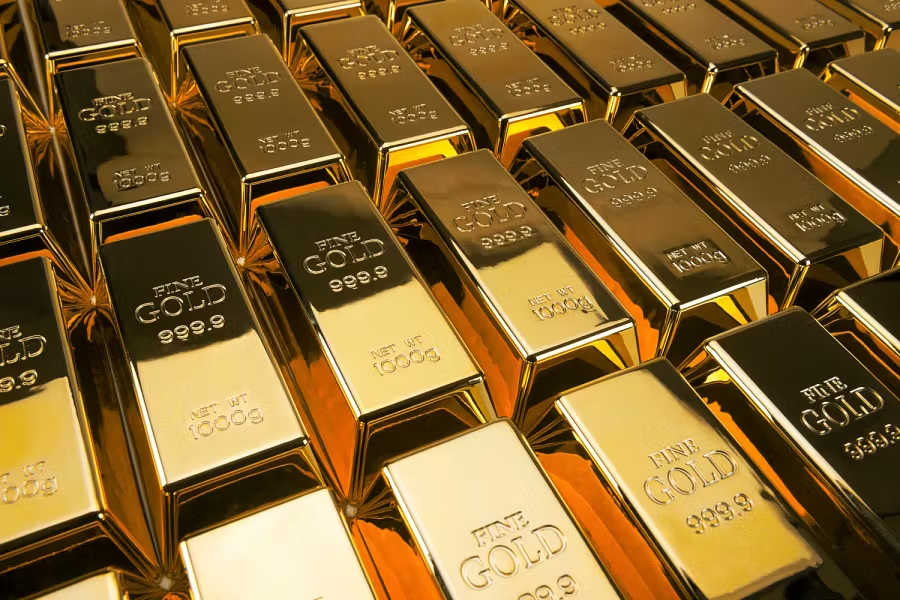
Here's a one-page blog post about gold's current state:
Gold in 2026: Current Market State and Investment Outlook
Last updated: April 16, 2026
Gold continues to shine in 2026, with prices holding strong around $4,800 per troy ounce—maintaining the elevated levels reached over the past two years. For investors seeking stability in uncertain times, understanding gold's current position has never been more important.
What's Driving Gold Prices?
Central Banks Are Buying Like Never Before
The biggest story in gold markets isn't retail investors—it's central banks worldwide accumulating over 1,000 tonnes annually. Countries are diversifying away from dollar reserves, seeking assets with no counterparty risk. The People's Bank of China, Reserve Bank of India, and Middle Eastern sovereign wealth funds are leading this institutional rush, creating a solid price floor that didn't exist in previous decades.
Inflation Remains Stubborn
Despite aggressive interest rate hikes, inflation persists above central bank targets across major economies. U.S. core inflation hovers above 3%, while food and energy costs continue pressuring consumers globally. Gold's 5,000-year track record as an inflation hedge makes it increasingly attractive as investors seek to preserve purchasing power.
Geopolitical Tensions Provide Support
Regional conflicts, trade disputes, and political polarization keep uncertainty elevated. During stress periods, gold's safe-haven status drives demand. The sustained nature of current global tensions suggests this support will continue.
Supply Constraints Are Real
Gold production faces serious headwinds: declining ore grades, rising extraction costs, stringent environmental regulations, and 10-15 year development timelines for new mines. Major projects now cost over $1 billion and take more than a decade from discovery to production. This supply squeeze provides fundamental price support.
How to Invest in Gold Today
Physical Gold: Direct ownership through coins (American Eagles, Canadian Maple Leafs) or bars offers tangible security but requires storage and insurance.
Gold ETFs: Funds like GLD and IAU provide instant liquidity, low fees (0.25-0.40% annually), and eliminate storage concerns—ideal for most investors.
Mining Stocks: Companies like Newmont and Barrick offer leverage to gold prices and dividend potential, though with higher volatility.
Digital Gold: Blockchain-based platforms now offer fractional ownership and instant liquidity, though with evolving regulatory frameworks.
Gold vs. Other Investments
While the S&P 500 has delivered stronger returns year-to-date (+8.5% vs. gold's +3.2%), gold provides crucial portfolio diversification. Its low correlation with stocks offers downside protection during market crashes, while bonds face interest rate risk despite yielding ~4.2% on 10-year Treasuries.
Bitcoin may offer higher potential returns, but gold's 5,000-year history, lower volatility, regulatory clarity, and central bank acceptance give it distinct advantages. Many sophisticated investors hold both.
Regional Market Dynamics
Asia dominates demand, with China and India accounting for ~50% of global consumption. Cultural affinity, growing middle classes, and central bank accumulation drive this appetite.
Middle Eastern nations are strategically diversifying oil revenues into gold, while Western investors primarily access gold through ETFs, with flows tied to market sentiment and economic uncertainty.
Should You Invest in Gold?
Consider gold if you:
- Want portfolio diversification (5-15% allocation is typical)
- Seek inflation protection
- Are concerned about currency devaluation
- Desire geopolitical risk insurance
- Have a long-term horizon (5+ years)
Gold may not suit you if you:
- Need regular income (gold generates no yield)
- Have short-term objectives
- Require high growth potential
- Prefer cash-flowing investments
Smart approach: Dollar-cost averaging—investing a fixed amount monthly—eliminates timing risk and builds your position systematically.
Key Risks to Consider
Gold experiences 15-20% annual volatility, generates no income, requires storage and insurance costs for physical holdings, and faces collectibles tax rates (28% in the U.S.) on gains. Additionally, opportunity costs exist when bonds or dividend stocks yield income.
The Bottom Line
Gold's current state in 2026 reflects strong fundamentals: unprecedented central bank demand, persistent inflation, geopolitical uncertainty, and supply constraints. While prices are elevated, the combination of institutional support and limited supply growth suggests gold remains a compelling portfolio component.
Whether you're protecting wealth, diversifying risk, or hedging against uncertainty, gold continues serving its timeless role as a store of value. The key is appropriate allocation matching your financial goals, risk tolerance, and investment timeline.
Track real-time gold prices and market updates at GoldTickr.com to stay informed on this evolving market.


