
Gold market analysis today

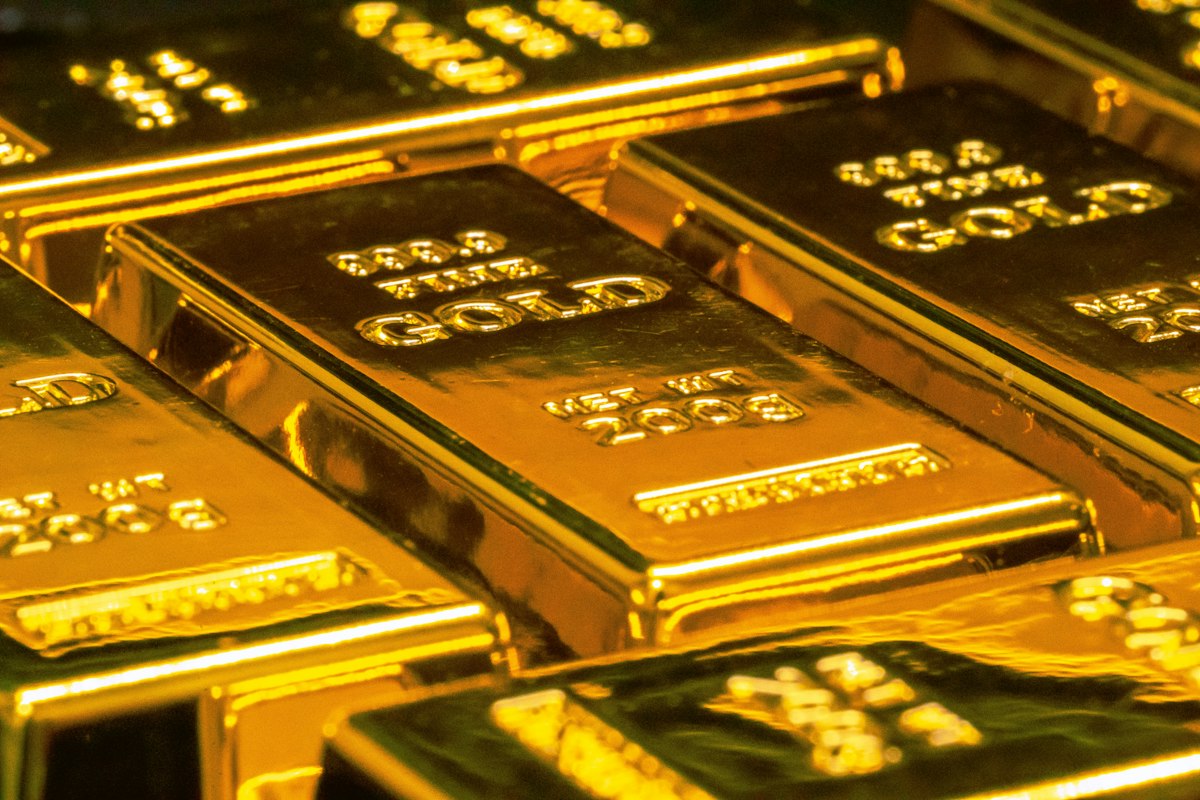
Gold Market Analysis: What's Driving Prices Today
Gold continues to capture the attention of investors, traders, and financial analysts around the world. As one of the most reliable stores of value in human history, the yellow metal remains a critical barometer of global economic health, geopolitical stability, and investor sentiment. Today's gold market is being shaped by a complex web of factors that every serious investor needs to understand before making any decisions.
Currently, gold prices are hovering in a range that reflects growing uncertainty across global financial markets. Central bank policies, inflation concerns, currency fluctuations, and geopolitical tensions are all playing a role in determining where gold will move next. Let's break down the key forces influencing the gold market today.
Federal Reserve Policy and Its Impact on Gold
One of the most significant drivers of gold prices in today's market is the monetary policy stance of the U.S. Federal Reserve. When interest rates are high, gold typically faces headwinds because investors can earn attractive yields from bonds and savings accounts. However, any signals of rate cuts or a pause in tightening tend to push gold prices higher as the opportunity cost of holding the non-yielding metal decreases.
Recent comments from Federal Reserve officials have created a mixed picture. Some policymakers are suggesting that inflation remains sticky, while others hint at an easing cycle on the horizon. This uncertainty is keeping gold prices elevated, as traders hedge against the possibility of a policy pivot that could weaken the U.S. dollar and boost bullion demand significantly.
Geopolitical Tensions Supporting Safe-Haven Demand
Gold has always thrived during times of global instability, and today is no different. Ongoing conflicts in various regions of the world, escalating trade tensions between major economies, and political uncertainties are all driving investors toward safe-haven assets. Gold, being a universally recognized store of value, benefits enormously from this flight to safety.
Central banks around the world are also continuing their gold-buying spree. Countries in Asia, the Middle East, and Eastern Europe have been steadily increasing their gold reserves as a way to diversify away from the U.S. dollar. This institutional demand is providing a strong floor for gold prices and limiting any significant downside movement in the near term.
Dollar Dynamics and Gold Pricing
Since gold is priced in U.S. dollars, the strength or weakness of the greenback has a direct and immediate impact on gold prices. A weaker dollar makes gold cheaper for foreign buyers, thereby boosting global demand. Conversely, a strengthening dollar puts downward pressure on gold. Today's currency markets are showing signs of dollar softness, which is contributing to gold's relatively strong performance.
Technical Analysis: Key Levels to Watch
From a technical perspective, gold is currently testing some important support and resistance levels. Traders are closely watching key price zones that could determine the next major directional move. A breakout above recent resistance could trigger a fresh rally and attract momentum buyers, while a breakdown below key support levels might invite short sellers into the market.
Volume patterns and moving averages are also signaling that the market is at a critical juncture. The 50-day and 200-day moving averages remain bullish, suggesting that the longer-term uptrend is still intact despite short-term volatility and consolidation.
Outlook and Investment Considerations
Looking ahead, the gold market appears positioned for continued volatility with a generally bullish bias. Investors considering gold exposure should look at a variety of instruments, including physical gold, gold ETFs, mining stocks, and futures contracts, each carrying its own risk profile. Diversification remains key in navigating today's complex and often unpredictable precious metals market.


